Why Is There a Construction Labor Shortage?
Associated Builders and Contractors estimates the US construction industry needs to bring in about 349,000 extra workers in 2026 just to meet demand. The shortage has lasted more than a decade, and it has a handful of causes that reinforce each other.
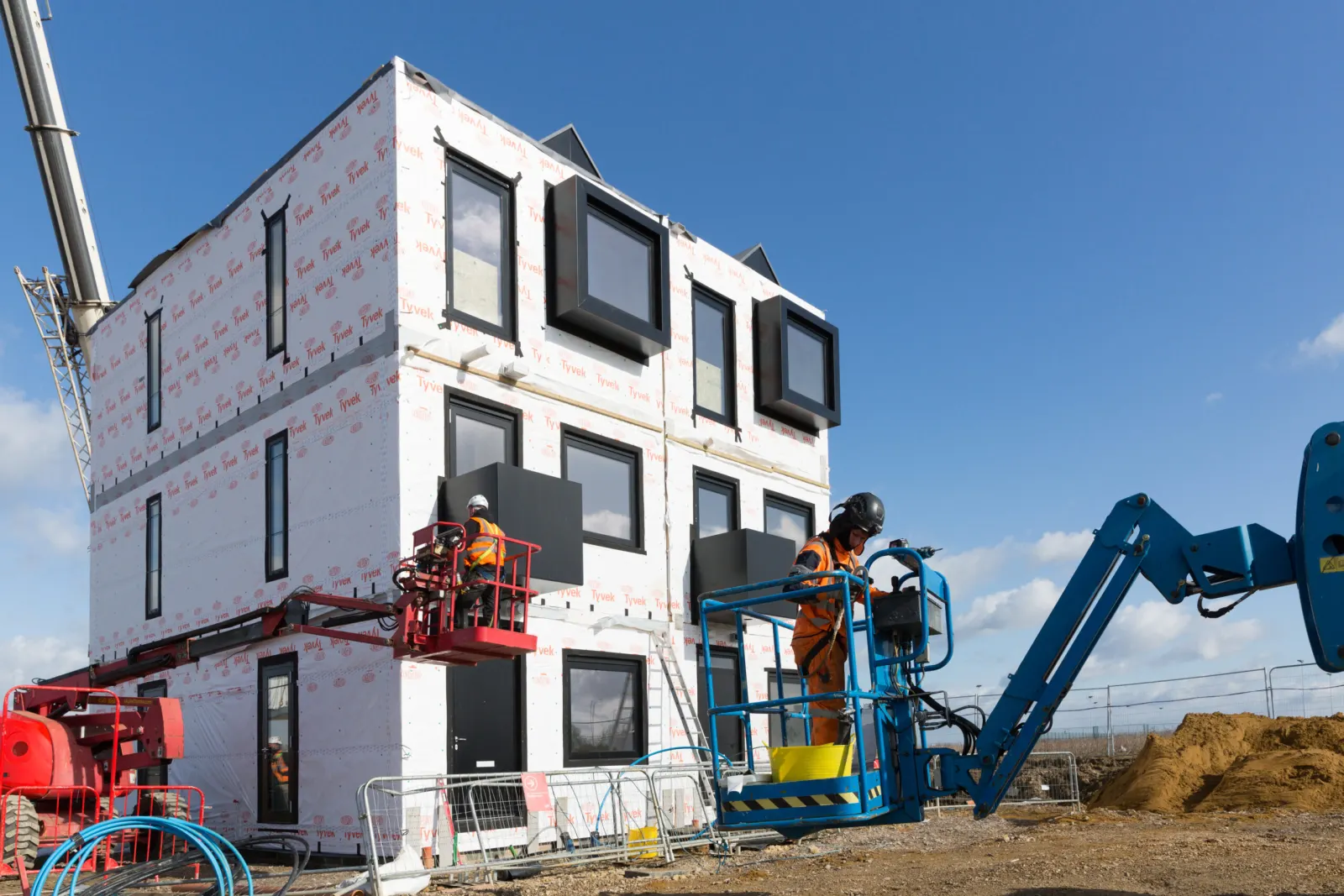
The causes
1. The 2008 exodus
The housing crash cost the industry around two million jobs between 2006 and 2011. Many of those workers moved to other industries and never came back, leaving a gap in the middle of the age range that is still visible today.
2. An aging workforce
A large share of skilled tradespeople are in their fifties and sixties. Each retirement takes decades of experience off site, and replacing a master electrician takes years, not weeks.
3. Fewer young entrants
For a generation, high schools steered students toward four year degrees, and shop classes closed. Young people often don't see construction as a career with a future, even though pay in the skilled trades now compares well with many degree jobs.
4. Immigration
Immigrant workers make up a large share of the construction workforce, especially in residential trades. Tighter immigration reduces the supply of workers in the trades that rely on them most.
5. Demand keeps rising
Public works funding, manufacturing plants, data centers and a housing deficit have all added work at the same time.
What it does to projects
- Longer schedules, because crews are smaller or split across jobs.
- Higher bids, as wages and overtime rise.
- More rework when less experienced crews fill gaps.
- More disputes over time, covered in our article on construction delay claims.
What builders are doing about it
| Response | How it helps |
|---|---|
| Apprenticeships and pre apprenticeships | Builds the pipeline of skilled workers |
| Recruiting women and veterans | Opens the largest untapped pools (see women in construction) |
| Prefabrication and modular | Moves work into factories with steadier, smaller crews |
| Lean planning | Gets more output from the same crews (see lean construction) |
| Better pay and benefits | Keeps experienced people in the industry |
Will it end?
Not soon. Demographics change slowly, and even a strong apprenticeship surge takes four or five years to produce journeymen. Contractors that train their own people, keep them, and plan work around realistic crew sizes are the ones winning bids today.
Frequently asked questions
How many construction workers are needed?
Associated Builders and Contractors estimates the US industry needs to attract about 349,000 new workers in 2026 on top of normal hiring.
Why don't young people go into construction?
For years schools pushed four year degrees and cut shop classes, and construction was seen as a fallback. Rising trade wages and apprenticeships are starting to change that.
Does modular construction help the labor shortage?
Yes. Factory built components need smaller site crews and allow steadier, indoor work, which helps contractors do more with fewer people.