Construction Safety Equipment Checklist
Personal protective equipment is the last line of defence on site, after planning and engineering controls. Here is what every worker should have, and the standards printed on it that tell you it is the real thing.
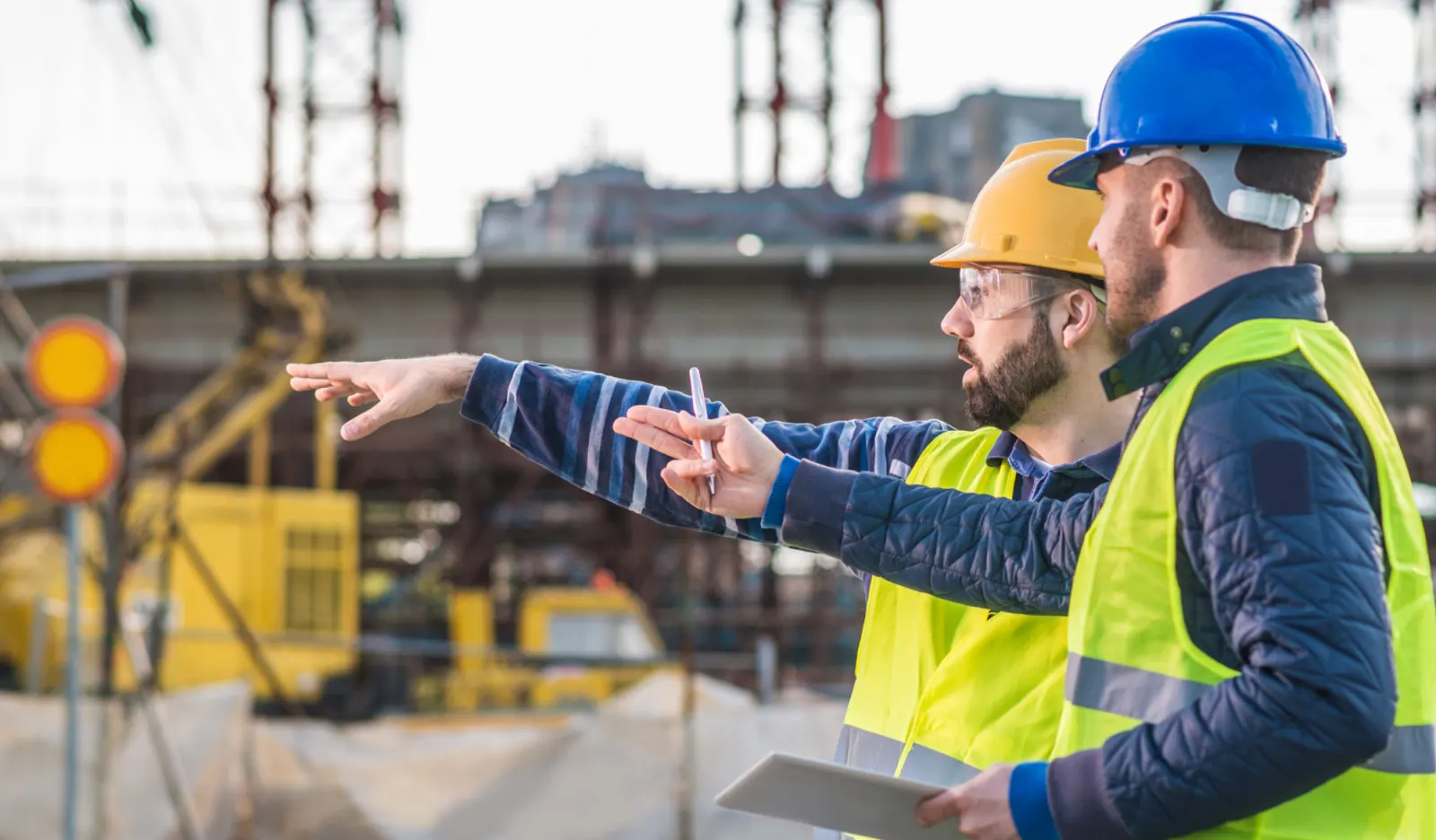
The everyday kit
| Item | What to look for | Replace when |
|---|---|---|
| Hard hat | ANSI/ISEA Z89.1 marking; Type II protects against side impacts | After any impact, or per the maker's date |
| High visibility vest or shirt | ANSI/ISEA 107, Class 2 or 3 near traffic | When faded, torn or dirty |
| Safety glasses | ANSI Z87.1 marking | When scratched |
| Hearing protection | Earplugs or muffs with a stated noise reduction rating | Plugs daily; muff seals when cracked |
| Gloves | Cut rating suited to the task | When worn through |
| Safety boots | ASTM F2413 toe protection; puncture resistant soles | When soles or toes are damaged |
Task specific equipment
- Fall protection. OSHA requires fall protection in construction at six feet and above. Harnesses, lanyards and anchors must be inspected before each use.
- Respiratory protection. Required where engineering controls can't keep silica dust and other hazards below limits, with fit testing.
- Face shields and welding helmets. For grinding, cutting and welding.
- Cold and heat gear. Insulated layers in winter; shade, water and cooling towels in summer.
Site equipment checklist
- Stocked first aid kit and trained first aiders.
- Fire extinguishers at hot work and fuel areas.
- Eyewash station where chemicals are used.
- Guardrails, covers on floor openings and marked exclusion zones.
- Emergency contact sheet and site address posted at the entrance.
Who pays for PPE?
Under OSHA rules, employers generally must pay for required PPE, with limited exceptions such as ordinary safety toe boots and prescription safety glasses worn off site. Employers must also train workers to use it.
Make it a habit
Gear only works when it is worn. Fit counts too (see the PPE fit issues raised in women in construction), and supervisors set the example. A short toolbox talk each morning and a weekly PPE check catch most problems. It is part of every superintendent's day, and a strong safety record also lowers insurance costs under a wrap up program.
Frequently asked questions
What PPE is required on a construction site?
At a minimum: a hard hat, high visibility clothing, safety glasses, safety boots and gloves, plus hearing protection, fall protection and respirators where the task requires them.
At what height is fall protection required in construction?
OSHA requires fall protection in construction at six feet or more above a lower level.
Does the employer have to pay for PPE?
Generally yes. OSHA requires employers to pay for required PPE, with limited exceptions such as ordinary safety toe boots and prescription safety glasses.