Construction Equipment: Buy, Rent or Lease?
Equipment is one of the largest costs a contractor controls directly. Get the mix of owned, leased and rented machines wrong and the business either pays for iron that sits idle or pays rental premiums on machines it uses every day.
Start with utilization
The single best predictor is how many working days a year you will use a machine. A common rule of thumb in the industry: if a machine will be busy more than about 60 to 70 percent of the time, owning tends to beat renting; below that, rental wins. Track hours by machine for a year before deciding, and use telematics data if your fleet has it.
The three options
| Option | Best for | Watch out for |
|---|---|---|
| Buy | Machines used most days, long service life | Capital tied up, maintenance, storage, resale risk |
| Lease | Steady use, preserving cash, regular replacement | Hour limits, return condition charges |
| Rent | Short jobs, specialty machines, peaks in workload | Higher daily cost, availability in busy seasons |
Total cost of ownership
The purchase price is only the start. Add financing, insurance, maintenance and repairs, transport, storage, operator training, downtime and depreciation, then subtract resale price. Compare that annual figure with a year of rental at your real usage. Many contractors find that small, common machines (skid steers, mini excavators, telehandlers) pay to own, while cranes and specialty equipment pay to rent.
Forecasting what you will need
- Load the next 12 months of backlog into a simple equipment schedule by week.
- Mark the peaks; rent for peaks, own for the base load.
- Book rental cranes and lifts early for busy seasons; availability, not price, is often the problem.
- Review the plan monthly with project managers so new work is added before it starts.
Cranes and lifting
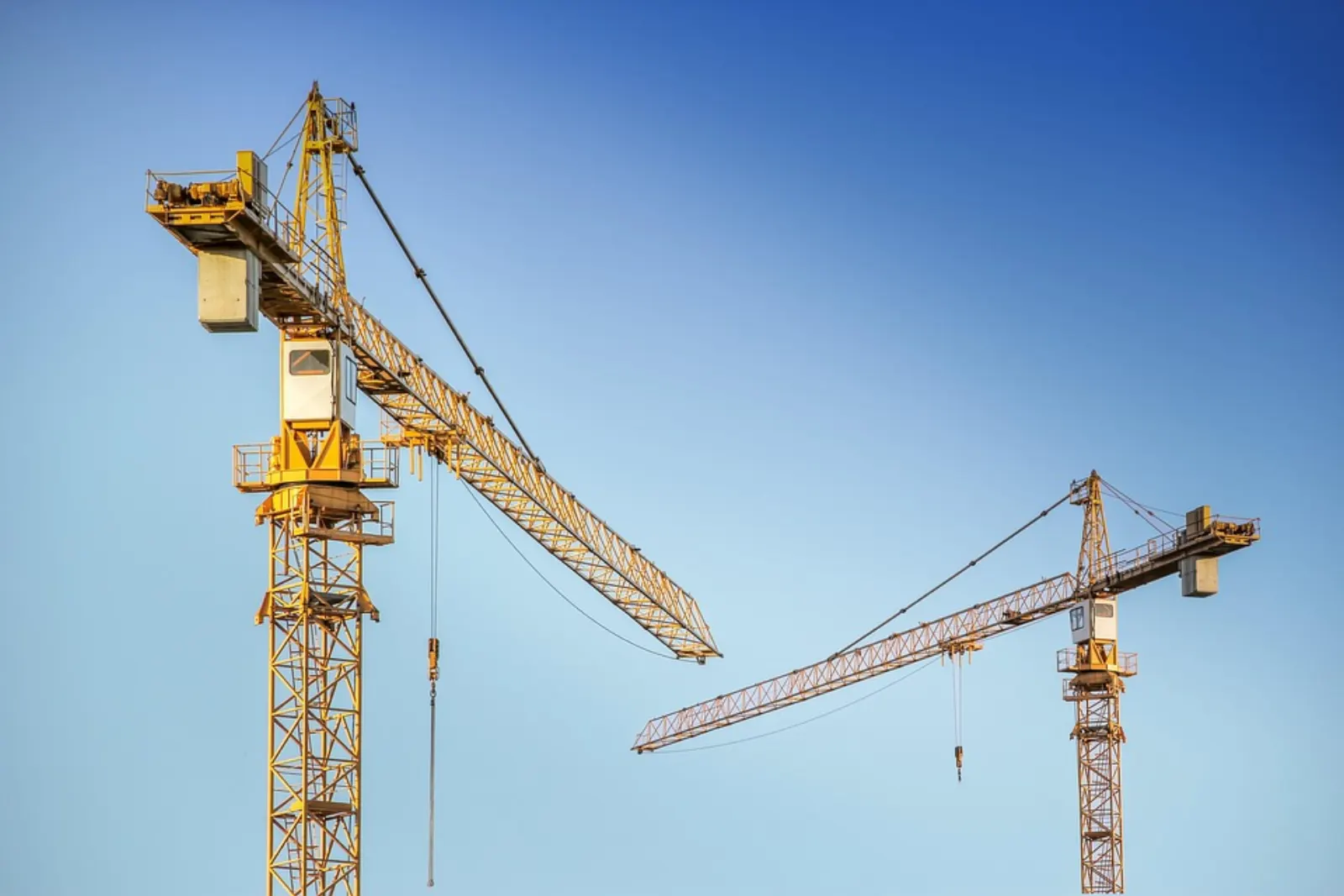
Cranes are the clearest case for renting with an operator. The rental company carries certification, inspections and maintenance, and supplies a certified operator and rigging plan. For event and venue work, lifting plans for LED walls and temporary structures follow the same logic.
Equipment delays have the same knock on effect as late materials; see supply chain planning.
Frequently asked questions
Is it better to rent or buy construction equipment?
It depends on utilization. As a rule of thumb, owning tends to pay when a machine is busy more than about 60 to 70 percent of working days; below that, renting tends to cost less.
What is included in equipment cost of ownership?
Purchase or finance costs, insurance, maintenance, repairs, transport, storage, downtime and depreciation, minus resale price.
Should contractors lease equipment?
Leasing suits machines used steadily that you want to replace on a regular cycle while keeping cash free, provided the hour limits fit your usage.